Future of Online Degrees: Are They Worth It in 2026?
Introduction
The landscape of higher education is evolving rapidly. In 2026, online degrees have moved from being a niche alternative to a mainstream pathway for students worldwide. Advancements in technology, the rise of AI-driven learning platforms, and the increasing demand for flexible education options have made online degrees more accessible and credible than ever.
However, students and parents often ask: Are online degrees really worth it? With the growing number of virtual universities, hybrid programs, and micro-credential certifications, it is important to assess the value, benefits, and limitations of pursuing an online degree in 2026.
This article explores the future of online degrees, their relevance in modern education, and whether they offer a worthwhile investment for students.
Why Online Degrees Are Gaining Popularity
1. Flexibility and Convenience
Online degrees allow students to study from anywhere in the world, eliminating geographical and commuting constraints. Students can balance education with work, family commitments, or personal projects, making higher education more accessible.
2. Affordability
Traditional on-campus education often involves tuition fees, accommodation, transportation, and living expenses. Online degrees typically reduce or eliminate many of these costs, making higher education more financially feasible for a broader audience.
3. Personalized Learning Experience
Modern online programs leverage AI to provide adaptive learning paths. Students can focus on areas they struggle with, skip topics they already know, and receive instant feedback—making learning more efficient and tailored to individual needs.
4. Diverse Program Offerings
In 2026, students can pursue a wide range of online degrees—from traditional fields like business, engineering, and computer science to emerging areas like AI, data science, digital marketing, and cybersecurity.
5. Recognition and Accreditation
Many online programs are now offered by globally recognized universities, providing degrees that are as valid and respected as traditional on-campus credentials. Accreditation ensures quality, credibility, and acceptance in the job market.
Benefits of Online Degrees in 2026
1. Career Advancement
Online degrees allow professionals to upskill or reskill without taking a career break. Students can gain industry-relevant knowledge and certifications, enhancing employability and career growth.
2. Global Networking Opportunities
Many online programs connect students from around the world. Collaborative projects, discussion forums, and virtual events allow learners to build professional networks and gain exposure to diverse perspectives.
3. Integration of Technology
Online education uses advanced tools like virtual labs, interactive simulations, AI tutors, and VR classrooms. These technologies make learning more engaging, practical, and aligned with modern workplace skills.
4. Skill-Based Learning
Unlike some traditional degrees, online programs often emphasize practical skills and applied knowledge. Students graduate with both theoretical understanding and hands-on experience, making them more job-ready.
5. Self-Paced Learning
Self-paced online programs allow students to manage their study schedules, learning speed, and workload according to their personal needs. This flexibility accommodates diverse learning styles and lifestyles.
Challenges of Online Degrees
While online degrees offer significant advantages, they also come with challenges that students should consider:
1. Lack of In-Person Interaction
Online learning can feel isolating. Students may miss out on campus life, face-to-face mentorship, and spontaneous peer discussions. Networking and social skills development require extra effort.
2. Discipline and Self-Motivation
Online learning demands high self-discipline. Without the structure of a traditional classroom, some students struggle with time management, procrastination, and staying engaged.
3. Variable Recognition in Some Industries
Although acceptance is growing, some employers in certain sectors may still prefer traditional degrees or value hands-on experience over online credentials. Researching industry perception is crucial.
4. Technical Requirements
Access to high-speed internet, a reliable computer, and digital literacy are essential for success. Technical challenges can hinder learning for students with limited resources.
5. Limited Extracurricular Exposure
Traditional campuses offer clubs, sports, cultural activities, and leadership opportunities. Online students may need to seek alternative ways to develop soft skills and practical experience.
Are Online Degrees Worth It in 2026?
The value of an online degree depends on several factors:
1. Accreditation and Reputation
Degrees from accredited universities with a strong reputation carry more weight in the job market. Employers prioritize recognized credentials that ensure quality education.
2. Industry Alignment
Programs aligned with industry demand and emerging trends—like AI, data science, digital marketing, or cybersecurity—offer better career prospects and return on investment.
3. Skill Acquisition
Online degrees that emphasize practical skills, internships, and projects are more valuable than purely theoretical programs. Employers look for candidates who can immediately contribute to the workforce.
4. Personal Goals and Circumstances
For working professionals, international students, or those with family responsibilities, online degrees provide opportunities that traditional programs cannot. For these students, the degree is definitely worth the investment.
5. Networking and Career Support
Programs with strong alumni networks, mentorship, and career services increase the long-term value of an online degree by opening doors to job opportunities and professional growth.
Future Trends in Online Degrees
1. AI-Powered Personalized Learning
AI algorithms will customize curricula, assignments, and assessments to match each student’s strengths, weaknesses, and learning pace, making online degrees more effective and personalized.
2. Integration of Virtual and Augmented Reality
Virtual classrooms and augmented reality simulations will offer immersive experiences, especially for fields like engineering, medicine, and design, bridging the gap between theory and practice.
3. Micro-Credentials and Modular Degrees
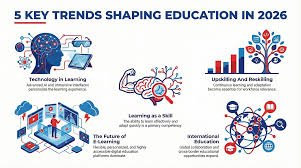
Students may pursue modular programs, stackable certificates, or short-term courses that contribute to a full degree. This flexible approach allows learners to upskill continuously without committing to long programs.
4. Increased Employer Acceptance
As more students and professionals complete online programs, employers are increasingly recognizing these degrees as equivalent to traditional credentials, particularly when skills are validated through projects or assessments.
5. Global Collaboration
Future online degrees will connect learners across the globe, enabling cross-cultural teamwork, international projects, and a global perspective—essential for careers in multinational companies.
Tips for Choosing an Online Degree
- Check Accreditation: Ensure the program is recognized by relevant authorities and industry bodies.
- Evaluate Curriculum: Look for practical, skill-based courses aligned with industry needs.
- Consider Flexibility: Choose programs that fit your schedule and learning pace.
- Research Alumni Success: Check the career trajectories of previous graduates.
- Look for Support Services: Mentorship, career guidance, and technical support enhance learning outcomes.
Conclusion
In 2026, online degrees are no longer second-rate options—they are viable, credible, and often advantageous pathways for students seeking flexibility, skill development, and career growth. With the integration of AI, VR, gamification, and global collaboration, online education has become more immersive and effective than ever.
While challenges like self-discipline, limited networking, and industry-specific recognition exist, careful selection of programs, emphasis on skill acquisition, and leveraging available resources make online degrees a worthwhile investment.
Ultimately, online degrees are most valuable when they:
- Come from accredited, reputable institutions
- Focus on practical, industry-relevant skills
- Offer personalized learning and career support
For students in 2026, online degrees are not just an alternative—they are a strategic tool for building knowledge, skills, and career opportunities in an increasingly digital world.