How Technology Is Making Education More Accessible Worldwide in 2026
Introduction
Education is no longer confined to classrooms, textbooks, or geographical boundaries. In 2026, technology has revolutionized the way people learn, breaking barriers of distance, cost, and accessibility. From AI-powered learning platforms and virtual classrooms to mobile apps and online degrees, technology has made education more inclusive and available to students across the globe.
Accessibility in education is not just about reaching more people; it’s about ensuring quality learning opportunities for every learner, regardless of socio-economic background, location, or personal limitations. This article explores how technology is transforming education worldwide, the benefits it provides, the challenges it faces, and its future potential.
The Role of Technology in Modern Education
1. Online Learning Platforms
Platforms like Coursera, edX, Khan Academy, and other AI-driven tools have democratized learning. Students can now access courses from top universities, professional certifications, and skill-based programs without leaving their homes.
- Flexibility: Learners can study at their own pace.
- Diversity of Courses: Subjects range from AI, programming, and digital marketing to humanities, arts, and social sciences.
- Cost-Effective: Many platforms offer free or affordable courses, reducing financial barriers.
2. Virtual Classrooms and Live Streaming
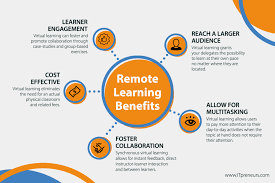
Virtual classrooms allow students to attend live lectures from anywhere in the world. Tools like Zoom, Microsoft Teams, and Google Meet have become integral to modern education.
- Students in remote areas can participate in discussions and interact with teachers.
- Real-time feedback and Q&A sessions enhance understanding and engagement.
- Teachers can share multimedia content, simulations, and interactive lessons.
3. Mobile Learning and Apps
Smartphones and tablets have become portable classrooms. Educational apps make learning interactive and engaging.
- Gamified learning apps like Duolingo or Photomath increase motivation.
- Microlearning apps deliver bite-sized lessons suitable for busy schedules.
- Offline access allows students in areas with limited internet connectivity to continue learning.
4. AI and Personalized Learning
AI-driven tools analyze student performance, learning patterns, and preferences to provide personalized study paths.
- Adaptive quizzes and tutorials target individual weaknesses.
- AI tutors provide instant feedback and assistance.
- Personalized learning ensures students progress at their own pace, improving outcomes.
5. Virtual Reality (VR) and Augmented Reality (AR)
Immersive technologies allow experiential learning beyond traditional methods.
- VR simulations in science, engineering, and medicine provide hands-on experiences without physical labs.
- AR apps make abstract concepts more understandable, e.g., visualizing the solar system or human anatomy.
- These tools are especially beneficial for students in resource-limited regions.
Benefits of Technology-Driven Education Accessibility
1. Bridging the Geographical Gap
Students from rural, remote, or underserved areas can access the same high-quality education as those in urban centers. This reduces inequalities caused by location.
2. Inclusivity for Differently-Abled Students
Assistive technologies like speech-to-text, screen readers, and AI-driven learning aids make education accessible to students with disabilities.
3. Cost Reduction
Digital education reduces expenses for travel, accommodation, and physical resources, making learning more affordable for economically disadvantaged students.
4. Lifelong Learning Opportunities
Technology enables continuous learning. Professionals, adult learners, and career changers can acquire new skills or upskill without interrupting their lives.
5. Global Collaboration
Online tools allow students to collaborate with peers worldwide, participate in virtual workshops, and gain cross-cultural experiences, enhancing global awareness and networking opportunities.
Challenges in Making Education Accessible Through Technology
1. Digital Divide
Not all students have access to reliable internet, devices, or digital literacy, creating disparities in educational access.
2. Quality Assurance
While access is easier, the quality of digital content varies. Students need guidance to choose credible sources and effective programs.
3. Distraction and Screen Fatigue
Excessive screen time and multitasking can reduce concentration and impact learning effectiveness.
4. Limited Social Interaction
Online learning can reduce opportunities for face-to-face collaboration, peer learning, and social skill development.
5. Data Privacy and Security
As students use online platforms, protecting personal information and ensuring safe digital environments are critical concerns.
Strategies to Enhance Accessibility
1. Expanding Internet Infrastructure
Governments and NGOs should invest in reliable internet access in rural and underserved regions to bridge the connectivity gap.
2. Affordable Devices and Platforms
Subsidized devices, open-source software, and free educational apps can make digital learning more accessible to low-income families.
3. Teacher Training in Technology
Educators must be trained to effectively use digital tools, design interactive lessons, and support students online.
4. Inclusive Learning Design
Platforms should accommodate differently-abled students with accessibility features, multi-language support, and adaptable content formats.
5. Blended Learning Models
Combining online and offline methods allows students to benefit from technology while maintaining personal interaction and hands-on learning experiences.
Future Trends in Global Education Accessibility
- AI Tutors for Personalized Guidance: AI-powered platforms will provide one-on-one tutoring, making personalized education accessible to every student.
- Virtual Global Classrooms: Students from different countries will collaborate in real-time projects, breaking cultural and geographical barriers.
- Blockchain Credentials: Secure and verifiable digital certificates and degrees will make online education credible and widely accepted.
- EdTech Integration in Public Schools: Governments will integrate technology in classrooms to reach more students.
- Mobile-First Learning: Optimized learning apps for smartphones will increase reach in regions where laptops and desktops are less common.
Conclusion
In 2026, technology has transformed education into a borderless, inclusive, and flexible experience. Students worldwide can access quality learning resources, connect with experts, and gain skills once limited to traditional classroom settings. AI, VR, mobile apps, and virtual classrooms have not only expanded educational opportunities but also personalized learning for every student, making education more effective and engaging.
Challenges such as digital divides, quality assurance, and screen fatigue remain, but strategic interventions like infrastructure development, affordable tools, teacher training, and inclusive platform design are bridging these gaps.
Ultimately, technology in education is not just about access—it’s about equity, quality, and empowerment. By embracing digital learning tools thoughtfully, the world can ensure that every student, regardless of location or circumstance, has the opportunity to learn, grow, and succeed in 2026 and beyond.