AI-Powered Personalized Learning: Future of Classrooms in 2026
Introduction
Education is rapidly evolving, and one of the most transformative forces behind this change is Artificial Intelligence (AI). In 2026, classrooms are no longer limited to traditional teaching methods where one teacher delivers the same lesson to all students. Instead, AI-powered personalized learning is reshaping education into a more adaptive, efficient, and student-centered experience.
Personalized learning powered by AI is not just a trend—it is becoming the future of classrooms. This approach uses advanced algorithms, data analysis, and machine learning to tailor education according to each student’s needs, abilities, and learning pace. As a result, students receive a more meaningful and effective learning experience.
What is AI-Powered Personalized Learning?
AI-powered personalized learning refers to the use of artificial intelligence to customize educational content, teaching methods, and pace for individual students. Unlike traditional classrooms where all students follow the same curriculum at the same speed, AI allows each student to have a unique learning path.
AI systems collect data on students’ performance, strengths, weaknesses, and behavior. Based on this data, the system adjusts lessons, suggests resources, and even predicts future learning challenges. This ensures that students receive the right level of difficulty and support.
For example, if a student struggles with mathematics, the AI system can provide extra practice, simplified explanations, and targeted exercises. On the other hand, advanced students can move ahead without waiting for others.
Key Features of AI in Classrooms
1. Adaptive Learning Systems
Adaptive learning platforms are at the core of AI-powered education. These systems continuously analyze student performance and adjust the content accordingly. They ensure that no student is left behind or held back.
2. Smart Content Creation
AI can generate customized learning materials such as quizzes, notes, and videos based on student needs. This makes learning more engaging and relevant.
3. Real-Time Feedback
One of the biggest advantages of AI is instant feedback. Students can immediately understand their mistakes and correct them, which improves learning efficiency.
4. Virtual Tutors and Assistants
AI-powered chatbots and virtual tutors are available 24/7 to assist students. They can answer questions, explain concepts, and guide students outside classroom hours.
5. Predictive Analytics
AI can predict student performance and identify potential learning gaps before they become serious problems. Teachers can then take early action to support students.
Benefits of AI-Powered Personalized Learning
1. Improved Learning Outcomes
Personalized learning helps students understand concepts better because lessons are tailored to their level. This leads to improved academic performance.
2. Increased Student Engagement
When students learn at their own pace and receive content that matches their interests, they become more engaged and motivated.
3. Time Efficiency
AI reduces time wasted on topics students already understand. It focuses more on areas that need improvement, making learning faster and more effective.
4. Support for Teachers
AI does not replace teachers; instead, it supports them. Teachers can focus more on mentoring and less on repetitive tasks like grading and lesson planning.
5. Inclusive Education
AI makes education more accessible for students with disabilities or different learning needs. It can provide voice assistance, visual aids, and customized interfaces.
Role of Teachers in AI-Driven Classrooms
Even in 2026, teachers remain a crucial part of the education system. AI cannot replace human interaction, emotional intelligence, and mentorship. Instead, teachers act as facilitators and guides.
Teachers use AI tools to:
- Monitor student progress
- Identify struggling students
- Provide personalized support
- Create interactive learning environments
The role of teachers is shifting from “information providers” to “learning coaches.”
Challenges of AI in Education
Despite its many benefits, AI-powered personalized learning also comes with challenges.
1. Data Privacy Concerns
AI systems collect large amounts of student data. Protecting this data from misuse is a major concern.
2. High Implementation Costs
Setting up AI systems in schools requires significant investment in technology, software, and training.
3. Dependence on Technology
Over-reliance on AI may reduce human interaction and critical thinking if not balanced properly.
4. Digital Divide
Not all students have access to advanced technology, especially in developing countries. This can create inequality in education.
AI Tools Transforming Classrooms in 2026
In 2026, several AI tools are commonly used in classrooms:
- Learning Management Systems (LMS): These platforms manage courses, track progress, and provide personalized recommendations.
- AI Tutors: Offer instant help and explanations.
- Speech Recognition Tools: Help students improve language skills.
- Automated Grading Systems: Save time for teachers.
- Gamified Learning Apps: Make learning fun and interactive.
These tools are making education more dynamic and engaging than ever before.
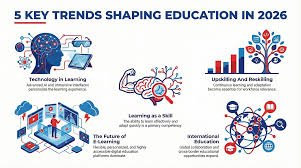
Future Trends in AI-Powered Education
1. Hyper-Personalization
In the future, AI will go beyond basic personalization and create highly customized learning experiences based on emotions, interests, and learning styles.
2. Integration with Virtual Reality (VR)
AI combined with VR will create immersive learning environments where students can experience real-world scenarios.
3. Lifelong Learning Support
AI will not be limited to schools. It will support continuous learning throughout life, helping individuals upgrade skills.
4. Global Classrooms
AI will connect students from different parts of the world, enabling collaborative learning and cultural exchange.
Impact on Students
Students in AI-powered classrooms will experience:
- More control over their learning journey
- Better understanding of concepts
- Increased confidence
- Reduced stress due to personalized pacing
They will also develop important skills such as critical thinking, problem-solving, and adaptability.
Conclusion
AI-powered personalized learning is transforming the future of classrooms in 2026. It is making education more flexible, efficient, and student-centered. While there are challenges such as data privacy and access to technology, the benefits far outweigh the drawbacks.
The future classroom is not about replacing teachers with machines but about creating a powerful partnership between human intelligence and artificial intelligence. Together, they can provide a learning experience that is tailored, engaging, and effective for every student.
As technology continues to evolve, AI will play an even greater role in shaping education. Schools, teachers, and policymakers must embrace this change to prepare students for a rapidly changing world.