Mental Health Awareness in Students: A 2026 Perspective
Introduction
In 2026, student life has become more complex than ever. Academic pressure, competitive environments, social media influence, and the rapid pace of technological change have created new challenges for mental well-being. While education has advanced with AI, online learning, and digital tools, mental health has emerged as a critical concern that cannot be overlooked.
Mental health awareness among students is essential to ensure they not only excel academically but also thrive emotionally and socially. Promoting mental well-being is no longer a peripheral concern—it is a fundamental component of holistic education. This article explores the importance of mental health awareness, the challenges students face in 2026, and strategies to support their well-being.
Understanding Student Mental Health
Mental health refers to the emotional, psychological, and social well-being of an individual. For students, mental health impacts:
- Learning and academic performance
- Emotional regulation and resilience
- Social interactions and relationships
- Decision-making and problem-solving
Common mental health issues among students include anxiety, depression, stress, burnout, and sleep disorders. Recognizing and addressing these issues early can prevent long-term negative consequences.
Why Mental Health Awareness Is Critical in 2026
1. Academic Pressure
Students face increased competition due to globalization, technological advancements, and higher academic standards. Continuous assessments, standardized testing, and the need to excel in multiple subjects can lead to chronic stress and anxiety.
2. Impact of Social Media
Social media can amplify comparison, fear of missing out (FOMO), and cyberbullying. Excessive screen time and online interactions often affect self-esteem and contribute to mental strain.
3. Digital Learning Challenges
While online learning offers flexibility, it can also cause isolation, lack of peer support, and difficulty maintaining focus. Students must navigate distractions, technology fatigue, and self-directed learning pressures.
4. Life Skills Gap
Modern education often emphasizes technical knowledge over emotional intelligence. Students may lack coping strategies, problem-solving skills, and emotional resilience to manage stress effectively.
5. Societal Awareness
In 2026, mental health is increasingly recognized as integral to overall well-being. Ignoring it can affect not only academic performance but also long-term personal and professional success.
Common Mental Health Issues in Students
- Anxiety and Stress: Triggered by exams, deadlines, peer pressure, and uncertain futures.
- Depression: Linked to social isolation, academic struggles, or personal issues.
- Burnout: Resulting from prolonged stress without adequate rest or support.
- Sleep Disorders: Poor sleep impacts concentration, memory, and emotional balance.
- Social Pressure and Peer Comparisons: Intensified by social media exposure.
Early recognition and proactive management are crucial to prevent escalation.
Strategies for Promoting Mental Health Awareness
1. Educate Students About Mental Health
- Introduce mental health topics in the curriculum.
- Encourage open discussions about emotions, stress, and coping mechanisms.
- Teach students to identify signs of stress, anxiety, or depression in themselves and peers.
Awareness reduces stigma and empowers students to seek help when needed.
2. Foster a Supportive Environment
- Create safe spaces for sharing concerns, both online and offline.
- Encourage peer support groups and mentorship programs.
- Train educators to recognize signs of mental distress and provide guidance.
A supportive environment ensures students feel heard and valued.
3. Incorporate Mindfulness and Stress-Relief Practices
- Encourage mindfulness exercises, meditation, and breathing techniques.
- Promote regular physical activity, yoga, and relaxation routines.
- Provide access to apps or platforms that offer guided mental wellness practices.
Mindfulness enhances focus, emotional regulation, and resilience.
4. Limit Digital Overload
- Set boundaries for screen time during study and leisure.
- Encourage breaks from social media and online platforms.
- Balance digital learning with offline activities, hobbies, and social interactions.
Reducing digital stress improves attention, mood, and overall well-being.
5. Provide Access to Counseling and Mental Health Services
- Schools and universities should offer counseling, therapy sessions, and online mental health support.
- Encourage students to use hotlines, chat services, or AI-driven mental health apps for guidance.
- Ensure confidentiality and create a culture of trust for seeking help.
Professional support helps students navigate challenges effectively.
6. Encourage Balanced Lifestyles
- Promote proper sleep, nutrition, and physical activity.
- Balance academics, extracurricular activities, and leisure time.
- Teach time management and prioritization skills to prevent burnout.
A balanced lifestyle underpins both physical and mental health.
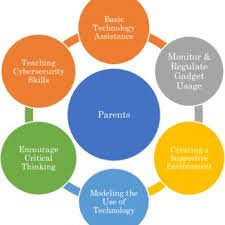
7. Engage Parents and Guardians
- Educate parents about digital pressures, mental health signs, and supportive strategies.
- Encourage open communication at home about emotions, struggles, and coping mechanisms.
- Promote collaborative problem-solving between parents, educators, and students.
Family support plays a critical role in emotional resilience.
Role of Technology in Mental Health Awareness
Technology in 2026 can both challenge and support student mental health.
Positive Uses:
- AI-Powered Monitoring: Apps that track stress, mood, and sleep patterns.
- Virtual Counseling: Online therapy and support sessions accessible anytime.
- Gamified Wellness Platforms: Engage students in mindfulness, relaxation, and emotional intelligence exercises.
- Digital Communities: Safe online forums for peer support and shared experiences.
Challenges:
- Overexposure to social media and digital distractions can exacerbate anxiety.
- Constant notifications and virtual learning pressures may affect focus and emotional well-being.
Parents, educators, and students must learn to balance technology use for mental health benefits.
Preparing Students for Emotional Resilience
- Teach Coping Strategies: Stress management, problem-solving, and emotional regulation.
- Encourage Reflection: Journaling, self-assessment, and mindfulness practices.
- Promote Growth Mindset: Emphasize learning from failures and adapting to challenges.
- Develop Social Skills: Teamwork, empathy, and communication to enhance peer support.
- Provide Real-Life Scenarios: Encourage students to apply emotional skills to everyday situations.
Emotional resilience equips students to handle academic and personal challenges confidently.
Future Trends in Student Mental Health Awareness
- AI-Powered Personal Coaches: Personalized emotional and stress management guidance.
- Virtual Reality Therapy: Immersive stress-relief, mindfulness, and relaxation experiences.
- Integrated School Programs: Curriculum-wide mental health modules embedded in daily learning.
- Collaborative Digital Platforms: Students, parents, and educators working together to monitor and support mental well-being.
- Global Awareness Campaigns: Promoting mental health as a universal priority, reducing stigma worldwide.
These trends aim to make mental health an integrated part of education rather than an afterthought.
Conclusion
In 2026, mental health awareness among students is more important than ever. With increased academic pressure, digital distractions, and social challenges, students require proactive support to maintain emotional, social, and psychological well-being.
Parents, educators, and policymakers must work together to:
- Promote open discussions about mental health
- Provide professional support and resources
- Encourage balanced, mindful, and resilient lifestyles
- Leverage technology positively for monitoring and guidance
By fostering a culture of awareness, empathy, and support, students can thrive not just academically but emotionally and socially. Mental health is no longer a peripheral concern—it is central to student success and overall development.
In 2026, empowering students with mental health awareness ensures they become resilient, balanced, and confident individuals ready to face the challenges of a rapidly evolving world.