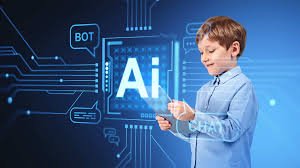
Microlearning: The Future of Fast Education
Introduction
In today’s fast-paced digital world, the way we learn is changing rapidly. Traditional education methods, which often require long hours of study and extensive coursework, are no longer the only option. In 2026, learners are looking for quicker, more efficient ways to gain knowledge and skills. This is where microlearning comes into play.
Microlearning is emerging as one of the most powerful trends in modern education. It focuses on delivering content in small, easily digestible chunks that can be consumed in a short amount of time. Whether it’s a 5-minute video, a quick quiz, or a short lesson, microlearning is designed to fit into busy schedules while improving learning efficiency.
This article explores the concept of microlearning, its benefits, challenges, and why it is considered the future of fast education.
What is Microlearning?
Microlearning is a learning approach that delivers content in short, focused segments. Each lesson is designed to achieve a specific learning objective and can typically be completed in a few minutes.
Unlike traditional learning, which often involves lengthy lectures or chapters, microlearning breaks down complex topics into smaller parts. This makes it easier for learners to understand and retain information.
Microlearning can take various forms, including:
- Short videos
- Infographics
- Flashcards
- Quizzes
- Interactive modules
It is widely used in online education, corporate training, and skill development programs.
Why Microlearning is Gaining Popularity in 2026
Microlearning is becoming popular due to several reasons:
1. Short Attention Spans
In the digital age, people have shorter attention spans due to constant exposure to social media and fast content. Microlearning matches this behavior by providing quick and engaging lessons.
2. Busy Lifestyles
Students and professionals often have limited time. Microlearning allows them to learn on the go without dedicating long hours.
3. Mobile Learning
With smartphones and tablets, learners can access microlearning content anytime, anywhere. This flexibility makes learning more convenient.
4. Instant Access to Knowledge
Microlearning provides immediate solutions to specific problems. Instead of going through long courses, learners can quickly find the information they need.
Key Features of Microlearning
1. Short Duration
Each lesson is brief, usually lasting between 2 to 10 minutes.
2. Focused Content
Microlearning focuses on a single topic or concept, making it easier to understand.
3. Interactive Learning
Many microlearning modules include quizzes, videos, and interactive elements to keep learners engaged.
4. Flexible Access
Content is available on multiple devices, allowing learners to study anytime.
5. Personalized Experience
AI-powered platforms can customize microlearning content based on individual needs.
Benefits of Microlearning
1. Improved Knowledge Retention
Short and focused lessons help learners retain information better. Studies show that breaking content into smaller parts improves memory and understanding.
2. Increased Engagement
Microlearning is more engaging than long lectures. Interactive elements and quick lessons keep learners interested.
3. Time Efficiency
Learners can gain knowledge quickly without spending hours studying. This is ideal for busy students and professionals.
4. Cost-Effective Learning
Microlearning programs are often cheaper than traditional courses, making education more accessible.
5. Easy Updates
Content can be easily updated to reflect new information, ensuring that learners always have access to the latest knowledge.
Applications of Microlearning
1. Academic Education
Schools and universities are using microlearning to supplement traditional teaching methods. Students can review topics quickly and reinforce their understanding.
2. Corporate Training
Companies use microlearning for employee training and skill development. It helps employees learn new skills without disrupting their work schedules.
3. Skill Development
Microlearning is ideal for learning practical skills such as coding, digital marketing, and communication.
4. Language Learning
Short lessons and interactive exercises make language learning more effective and enjoyable.
Microlearning vs Traditional Learning
Microlearning:
- Short and focused lessons
- Flexible and accessible
- High engagement
- Quick results
Traditional Learning:
- Long lectures and courses
- Fixed schedules
- Less flexibility
- In-depth understanding
Both approaches have their advantages, but microlearning is better suited for modern learners who need fast and efficient education.
Role of Technology in Microlearning
Technology plays a crucial role in the success of microlearning. In 2026, advanced tools are enhancing the learning experience.
1. Artificial Intelligence
AI personalizes learning content based on user behavior and performance.
2. Mobile Apps
Learning apps provide easy access to microlearning modules.
3. Gamification
Game-like elements such as rewards and challenges make learning more engaging.
4. Cloud Computing
Cloud platforms allow learners to access content from anywhere.
Challenges of Microlearning
Despite its benefits, microlearning also has some limitations:
1. Limited Depth
Microlearning focuses on small topics, which may not provide deep understanding of complex subjects.
2. Fragmented Learning
Breaking content into small parts can sometimes make it difficult to see the bigger picture.
3. Not Suitable for All Subjects
Some subjects require detailed explanations and cannot be effectively taught through microlearning alone.
4. Self-Discipline Required
Learners must be motivated and consistent to benefit from microlearning.
Future of Microlearning
The future of microlearning is bright, with several trends shaping its growth:
1. AI-Powered Personalization
Learning experiences will become more tailored to individual needs.
2. Integration with Virtual Reality
Microlearning combined with VR will create immersive and interactive experiences.
3. Increased Adoption in Education
More schools and universities will incorporate microlearning into their curriculum.
4. Lifelong Learning
Microlearning will support continuous education, helping individuals update their skills throughout their lives.
Why Microlearning is the Future of Fast Education
Microlearning aligns perfectly with the needs of modern learners. It offers:
- Speed and efficiency
- Flexibility
- Accessibility
- Engagement
In a world where time is limited and information is abundant, microlearning provides a practical solution for acquiring knowledge quickly.
Conclusion
Microlearning is transforming the way we learn in 2026. By delivering content in short, focused segments, it makes education more efficient, engaging, and accessible.
While it cannot completely replace traditional learning, it serves as a powerful complement that enhances the overall learning experience. The future of education lies in combining different approaches to meet the diverse needs of learners.
As technology continues to evolve, microlearning will play an even greater role in shaping the future of education. It is not just a trend—it is a necessary evolution in how we acquire knowledge in a fast-moving world.