Online Learning vs Traditional Education: Which Is Better in 2026?
Introduction
Education has undergone a massive transformation over the past decade, and by 2026, the debate between online learning and traditional education has become more relevant than ever. With the rise of digital platforms, artificial intelligence, and remote learning tools, students now have more choices than ever before.
For years, traditional classroom education was considered the best and most reliable method of learning. However, online learning has emerged as a strong alternative, offering flexibility and accessibility that were previously unimaginable.
So, which is better in 2026—online learning or traditional education? The answer depends on various factors, including learning styles, goals, resources, and personal preferences. This article explores both approaches in detail to help you understand their strengths, weaknesses, and future relevance.
What is Traditional Education?
Traditional education refers to the conventional method of learning that takes place in physical classrooms, schools, colleges, and universities. In this system, students attend classes in person, interact directly with teachers, and follow a structured schedule.
Key Features of Traditional Education
- Face-to-face interaction with teachers and classmates
- Fixed schedules and curriculum
- Physical classroom environment
- Immediate feedback and supervision
Advantages of Traditional Education
One of the biggest strengths of traditional education is personal interaction. Students can directly communicate with teachers, ask questions, and participate in discussions. This human connection helps build better understanding and emotional support.
Another advantage is discipline and structure. Fixed schedules help students develop time management skills and maintain consistency in their studies.
Traditional classrooms also encourage social interaction. Students build friendships, improve communication skills, and learn teamwork through group activities.
Additionally, traditional education is often more recognized and trusted, especially for professional degrees such as medicine, law, and engineering.
Limitations of Traditional Education
Despite its benefits, traditional education has several drawbacks in 2026.
One major limitation is lack of flexibility. Students must follow a fixed schedule, which may not suit everyone, especially those who work or have other responsibilities.
Another issue is high cost. Tuition fees, transportation, and accommodation can be expensive, making education less accessible.
Traditional education also follows a one-size-fits-all approach, which may not cater to individual learning styles and pace.
What is Online Learning?
Online learning, also known as e-learning, involves studying through digital platforms using the internet. Students can access lectures, assignments, and resources from anywhere in the world.
Key Features of Online Learning
- Flexible schedules
- Access to global resources
- Self-paced learning
- Use of digital tools and platforms
Advantages of Online Learning
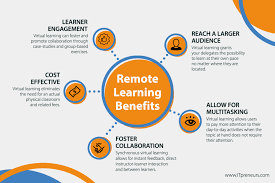
One of the biggest benefits of online learning is flexibility. Students can learn at their own pace and choose when and where to study. This is especially helpful for working professionals and those with busy schedules.
Online learning is also more accessible. Students from remote areas can access high-quality education without relocating.
Another advantage is cost-effectiveness. Many online courses are cheaper than traditional programs, and some are even free.
Online platforms often use advanced technologies like AI to provide personalized learning experiences. This helps students focus on their strengths and improve their weaknesses.
Limitations of Online Learning
However, online learning also has its challenges.
One major issue is lack of interaction. Students may feel isolated without face-to-face communication with teachers and peers.
Another limitation is the need for self-discipline. Without a structured environment, some students may struggle to stay motivated and complete their courses.
Technical issues such as poor internet connectivity can also affect the learning experience.
Additionally, not all online courses are recognized by employers, which can impact career opportunities.
Key Differences Between Online Learning and Traditional Education
1. Flexibility
Online learning offers high flexibility, allowing students to learn anytime and anywhere. Traditional education, on the other hand, follows fixed schedules.
2. Cost
Online education is generally more affordable, while traditional education can be expensive due to additional costs.
3. Interaction
Traditional education provides direct human interaction, whereas online learning relies on virtual communication.
4. Learning Pace
Online learning allows self-paced study, while traditional education follows a set pace for all students.
5. Accessibility
Online learning is accessible to a wider audience, especially in remote areas, while traditional education requires physical presence.
Role of Technology in 2026
In 2026, technology plays a crucial role in both online and traditional education. Even traditional classrooms are integrating digital tools such as:
- Smart boards
- AI-powered learning systems
- Virtual simulations
- Online assignments
Similarly, online learning platforms are becoming more interactive with features like live classes, discussion forums, and virtual labs.
This integration is blurring the line between online and traditional education.
Rise of Hybrid Learning
The most significant trend in 2026 is hybrid learning, which combines the best of both worlds. Students attend some classes in person while completing others online.
Hybrid learning offers:
- Flexibility of online education
- Interaction of traditional classrooms
- Balanced learning experience
Many institutions are adopting this model to provide a more effective education system.
Which Is Better in 2026?
The answer depends on individual needs and goals.
Online Learning is Better If:
- You need flexibility
- You are working or managing multiple responsibilities
- You prefer self-paced learning
- You want affordable education
Traditional Education is Better If:
- You prefer face-to-face interaction
- You need structured learning
- You are pursuing professional degrees
- You value campus experience and social interaction
What Do Employers Prefer?
In 2026, employers focus more on skills than the mode of education. Whether a student studied online or in a traditional classroom matters less than what they can actually do.
However, credibility still matters. Degrees from recognized institutions and certifications from reputable platforms carry more weight.
Employers also value:
- Practical skills
- Experience
- Problem-solving abilities
- Communication skills
Challenges in Both Systems
Both online and traditional education face challenges:
Online Learning Challenges:
- Lack of motivation
- Limited interaction
- Technical issues
Traditional Education Challenges:
- High costs
- Limited flexibility
- Outdated teaching methods
Addressing these challenges is essential for improving the education system.
Future of Education
The future of education in 2026 and beyond is not about choosing one method over the other. Instead, it is about integration and innovation.
We can expect:
- More hybrid learning models
- Increased use of AI and automation
- Greater focus on skills and practical learning
- Global access to education
Education will become more personalized, accessible, and technology-driven.
Conclusion
The debate between online learning and traditional education in 2026 is not about which one is better overall, but which one is better for you.
Online learning offers flexibility, affordability, and accessibility, making it ideal for modern learners. Traditional education provides structure, interaction, and credibility, which are still important in many fields.
The best approach is to combine both methods and take advantage of their strengths. Students who adapt to this blended approach will be better prepared for the future.
In the end, success is not determined by how you learn, but by what you learn and how you apply it in the real world.