Skill-Based Education vs Degree-Based Education: What Matters More in 2026
Introduction
Education has always been the foundation of personal and professional success. For decades, earning a degree was considered the ultimate goal for students worldwide. A university degree symbolized knowledge, status, and better career opportunities. However, as we move into 2026, the global education landscape is undergoing a major transformation.
With the rapid advancement of technology, automation, and changing job market demands, the debate between skill-based education and degree-based education has become more relevant than ever. Employers are no longer focused only on academic qualifications; instead, they are increasingly valuing practical skills and real-world experience.
So, what matters more in 2026—skills or degrees? The answer is not as simple as choosing one over the other. This article explores both approaches, their benefits, limitations, and what the future holds for students.
What is Degree-Based Education?
Degree-based education refers to the traditional system where students attend schools, colleges, and universities to earn formal qualifications such as bachelor’s, master’s, or doctoral degrees. This system focuses on structured learning, theoretical knowledge, and standardized curricula.
For years, degrees have been seen as a gateway to stable careers in fields like medicine, engineering, law, and business. Employers often used degrees as a basic requirement for hiring candidates.
Advantages of Degree-Based Education
One of the main benefits of degree-based education is credibility. A recognized degree assures employers that a candidate has received formal training and possesses foundational knowledge in a specific field.
Another advantage is comprehensive learning. Degree programs cover a wide range of topics, helping students develop a deep understanding of their subject. They also teach critical thinking, research skills, and discipline.
Additionally, degrees are still essential for certain professions. Careers such as doctors, lawyers, and engineers require formal education and certification that cannot be replaced by short-term skill courses.
Limitations of Degree-Based Education
Despite its advantages, degree-based education has several drawbacks in 2026. One major issue is the gap between theory and practice. Many graduates leave university with strong theoretical knowledge but lack practical skills needed in the workplace.
Another limitation is time and cost. Earning a degree can take several years and requires significant financial investment. Not all students can afford this, especially in developing countries.
Furthermore, traditional education systems often struggle to keep up with rapidly changing industry trends. By the time students graduate, some of their knowledge may already be outdated.
What is Skill-Based Education?
Skill-based education focuses on teaching practical abilities that can be directly applied in real-world situations. Instead of emphasizing degrees, it prioritizes what a person can actually do.
This type of education includes vocational training, online courses, certifications, internships, and hands-on learning experiences. Skills can range from technical abilities like coding and graphic design to soft skills like communication and leadership.
Advantages of Skill-Based Education
One of the biggest benefits of skill-based education is employability. Students gain practical knowledge that makes them job-ready from day one. Employers prefer candidates who can perform tasks efficiently without extensive training.
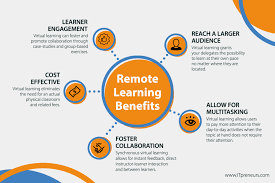
Skill-based learning is also flexible and accessible. With the rise of online platforms, students can learn new skills from anywhere in the world at their own pace.
Another advantage is cost-effectiveness. Many skill-based programs are cheaper and shorter than traditional degrees, making education more accessible to a larger population.
Moreover, skill-based education encourages continuous learning. In 2026, industries evolve quickly, and professionals must regularly update their skills to stay relevant.
Limitations of Skill-Based Education
However, skill-based education is not without challenges. One major issue is the lack of standardization. Not all certifications are recognized equally, which can create confusion for employers.
Another limitation is limited theoretical knowledge. While skills are important, understanding the theory behind them is also necessary for long-term growth and innovation.
Additionally, some professions still require formal degrees. Skill-based education alone may not be sufficient for careers in highly regulated fields.
Changing Job Market in 2026
The job market in 2026 is very different from the past. Automation, artificial intelligence, and digital transformation are reshaping industries. Many traditional jobs are disappearing, while new roles are emerging.
Employers are now focusing on:
- Problem-solving abilities
- Technical skills
- Adaptability
- Creativity
- Communication skills
In this environment, having a degree alone is no longer enough. Candidates must demonstrate their skills through practical experience, portfolios, and real-world projects.
Which One Matters More in 2026?
The simple answer is: skills matter more—but degrees still hold value.
In 2026, employers prioritize what you can do rather than just what you have studied. Skills prove your ability to perform tasks, solve problems, and contribute to the organization.
However, degrees are still important for building a strong foundation and opening initial career opportunities. They provide structured learning and credibility.
The ideal approach is a combination of both.
The Rise of Hybrid Education
The future of education lies in blending skill-based and degree-based learning. Many universities are already integrating practical training, internships, and industry projects into their programs.
Students are also combining degrees with online certifications and freelance work to build strong portfolios.
For example, a student studying computer science may also:
- Learn coding through online platforms
- Work on real-world projects
- Gain freelance experience
- Earn industry certifications
This hybrid approach ensures both theoretical knowledge and practical skills.
Role of Technology in Shaping Education
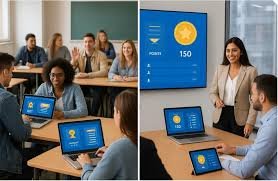
Technology plays a major role in bridging the gap between skills and degrees. Online learning platforms, AI-powered tools, and virtual classrooms are making education more dynamic and accessible.
Students can now:
- Learn from global experts
- Access real-world projects
- Practice skills in simulated environments
- Receive instant feedback
This shift is making skill-based learning more effective and widely accepted.
What Should Students Focus On?
In 2026, students should adopt a smart approach to education:
- Focus on Skills: Learn practical skills that are in demand in your chosen field.
- Don’t Ignore Degrees: If your career requires a degree, pursue it seriously.
- Build a Portfolio: Showcase your work through projects, internships, or freelancing.
- Keep Learning: Continuously update your skills to stay relevant.
- Develop Soft Skills: Communication, teamwork, and problem-solving are equally important.
Conclusion
The debate between skill-based education and degree-based education is not about choosing one over the other. Both have their importance, but their roles are evolving in 2026.
Skill-based education is becoming more valuable due to its practical nature and direct impact on employability. At the same time, degree-based education continues to provide a strong foundation and credibility.
The future belongs to those who can combine both approaches effectively. Students who focus on gaining real-world skills while also pursuing formal education will have a significant advantage in the competitive job market.
In the end, success in 2026 is not defined by the degree you hold but by the value you can create. And that value comes from skills, knowledge, and the ability to adapt to change.